


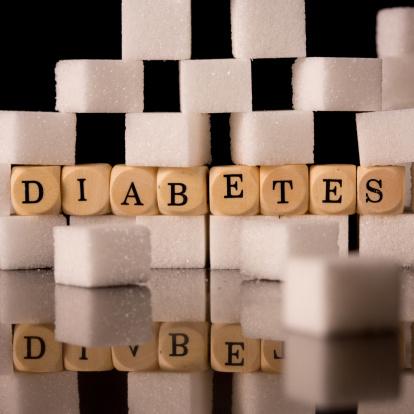
What do you know about diabetes?
14 November. World Diabetes Day
Diabetes is a chronic or persistent disease characterised by high levels of glucose in the blood. There are two fundamental types of diabetes:
- Type 1 Diabetes Mellitus (DM1)
- Type 2 Diabetes Mellitus (DM2)
Apart from having different causes, the age of the patients, the symptoms and the treatment itself of the two types of diabetes likewise differ. We are going to try and explain the disease and the basic differences between the two types.
Type 1 diabetes Mellitus:
It is more common in children, adolescents or young adults. The cause is believed to be an autoimmune disorder, whereby the patient’s own immune system mistakenly attacks the pancreas cells in charge of producing insulin, which moves sugar in the blood into the cells.
The most characteristic symptoms are: tiredness, hunger and thirst at all hours, blurred vision, unexplained weight loss, pins and needles in your feet, polyuria (need to urinate often) and, in serious cases of diabetes ketoacidosis (accumulation of toxins deriving from an excess of sugar in the blood), your breath can smell of acetone, you suffer from shortness of breath, nausea, a dry mouth and even fainting fits.
Treatment consists in monitoring blood sugar levels on a daily basis (even several times a day) in order to calculate the insulin dose required at each time, as this type of patient is insulin-dependent, together with a diabetic diet which must always be followed. It is also important to do regular exercise, to keep sugar levels stable.
As the disease is chronic, it is indispensable that you follow all medical monitoring and indications in order to be able to lead a normal life and not be greatly affected by the disease. Patients should learn to measure their blood sugar levels, administer insulin, plan meals and know how to recognize symptoms of hypo and hyper glycaemia and adjust the dose when doing exercise or in the presence of a common illness.
Diabetes Mellitus type 2:
In the case of this type of diabetes, the adipocytes, the hepatocytes and muscle cells develop a resistance to insulin and, as a result, sugar remains in the blood and does not move into the cells. This is caused by a variety of factors, among which are obesity, a sedentary lifestyle, a poor diet and family history as well as genetic background. This disease has traditionally affected the very elderly, but in recent years, the risk of its occurring in younger people has risen considerably due to sedentary and unhealthy lifestyles.
The symptoms are likewise varied, such as, recurring urinary tract infections, fatigue, thirst, hunger, polyuria, blurred vision, sore feet and hands, etc.
The treatment aims at reducing the sugar in the blood, but should also deal with the underlying factors and prevent secondary problems. Insulin may not be necessary and oral anti-diabetic drugs may be enough. In well controlled cases, a diabetic diet and physical exercise may be enough for maintaining weight, helping to lower blood pressure, improving blood circulation, burning excess calories and finding relief from stress and anxiety.
Remember: when following a diabetic diet, the intake of sugar foods, salt, fat and alcohol must be limited and wholemeal products, fruit and vegetables must be taken. Special attention must be paid to complex carbohydrates in order to calculate the exact quantities and you are recommended to eat less more often (5 or 6 times a day).
Gestational diabetes
Gestational diabetes is a type of diabetes that only develops during pregnancy.
There is no clear cause,, although it is likely that pregnancy hormones block the action of insulin, and there is a consequent rise in sugar levels in the blood. Your family background, being overweight before the pregnancy, an excessive increase in weight during the first term of the pregnancy, advanced age, an excess of amniotic fluid or polycystic ovaries are considered factors that raise the risk.
The symptoms often go unnoticed and are very varied: tiredness, polyuria, nausea and vomiting, urinary infections or thirst. Sometimes, this disorder is often not detected until the oral glucose tolerance test is carried out at the 24th week of pregnancy.
Treatment involves the daily monitoring of blood sugar levels, which pregnant women themselves can do at home with a glucometer, regular exercise and diet which should be continued for the remainder of the pregnancy. If the blood sugar levels are difficult to stabilise, your doctor could prescribe oral anti-diabetic drugs or even insulin. The babies need to be monitored too, and are usually lighter in weight when they are born, and, in addition, their blood pressure is likely to be very high.
Following the birth, the mother’s blood sugar levels are measured. These usually return to normal in a few weeks. The baby’s sugar levels are also monitored and it is not unusual for these babies to suffer from hypoglycaemia for the first few days.