


Umami; the new taste?
Learn where to find it and broaden your palate.
Since you were small, you have learnt to differentiate four tastes: sweet, salt, sour and bitter. Now experts acknowledge the existence of a fifth taste, called unami.
Umami is a Japanese word meaning strong and delicious. When you try a food which is rich in unami, this sensation of something strong and flavoursome remains in your mouth for a long time.
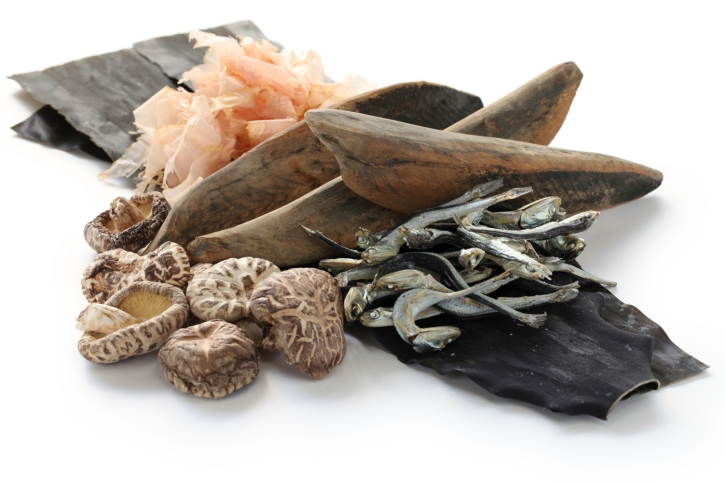
The Japanese discovered the substance responsible for this new perception. Studying a type of seaweed commonly used in Asian food, the so-called kombu, they managed to isolate a substance called monosodium glutamate. Apparently, this substance, together with others like IMP and GMP, present in shitake mushrooms (also used in Japanese cooking), cause a series of recognizable sensations which differ from other flavours:
- They increase salivation which helps you appreciate each ingredient more intensely while helping to lower the bitter sensation and boost sweetness.
- They generate a physiological reaction; a lasting, delicious taste.
Which food contains umami?
Glutamate is sold as powder and can be added artificially, but some foods are naturally rich in it. Unami can be found in foods which are basically rich in proteins, in cured or fermented foods and in some greens. Examples are:
- Iberian ham
- Parmesan cheese
- Asparagus
- Dried bonito
- Anchovies
- Fresh tomatoes
- Asian food like miso soup, soba or udon noodles, soya sauce, shitake mushrooms, or kombu seaweed.
Numerous traditional dishes like pasta with tomato and cheese, or a broth with chopped ham have heightened flavour thanks to umami. You only need to educate your palate to appreciate it. Doesn’t it make your mouth water?